Patient-specific planning for the Cut Femur configuration
SurgiNovi presents the Cut Femur configuration as a separate patient-specific approach to knee replacement bone preparation. The product description relates the initial planned femoral and tibial cuts to subsequent use of the implant manufacturer’s instrumentation. Thus connecting the guide with conventional instruments.
Reading the design information
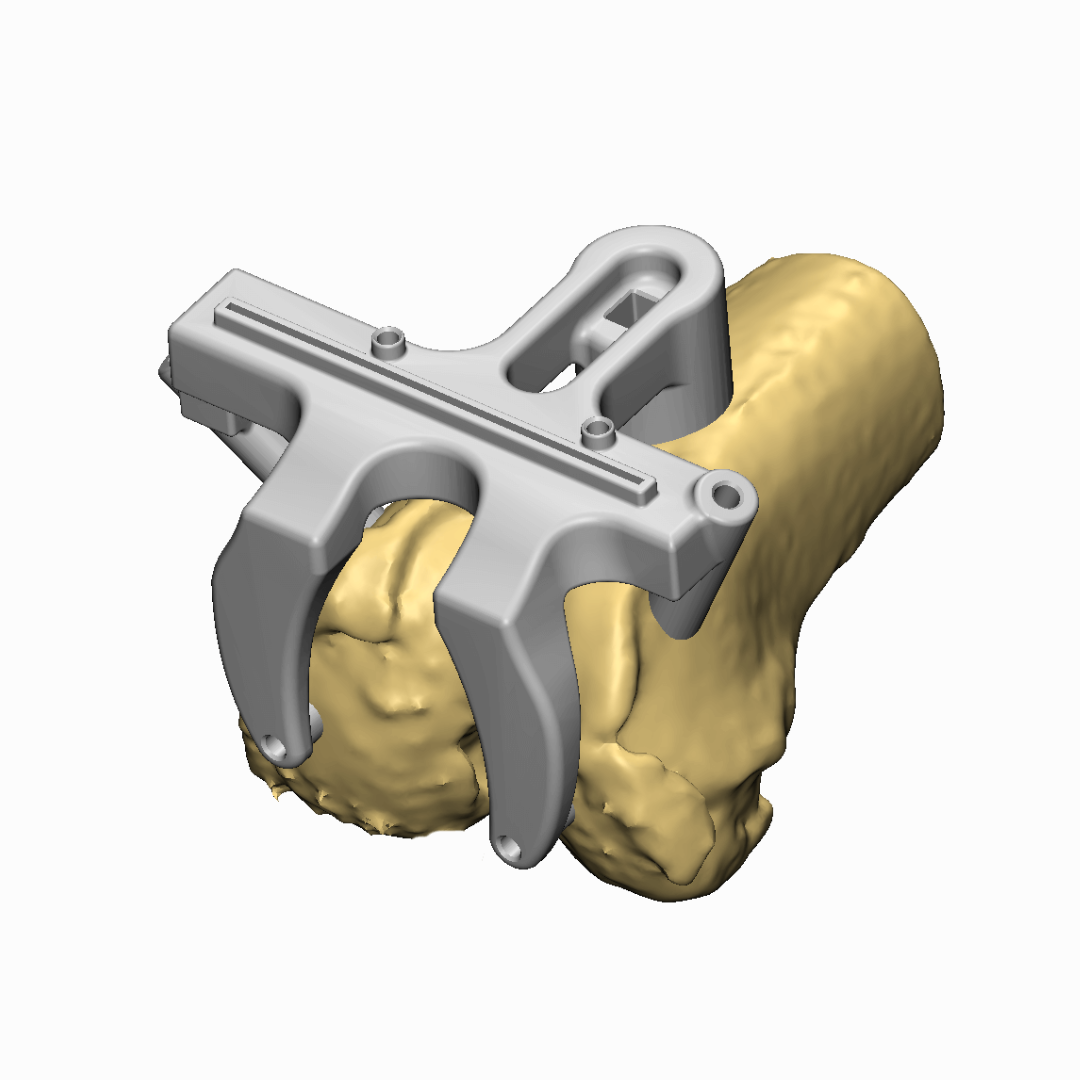
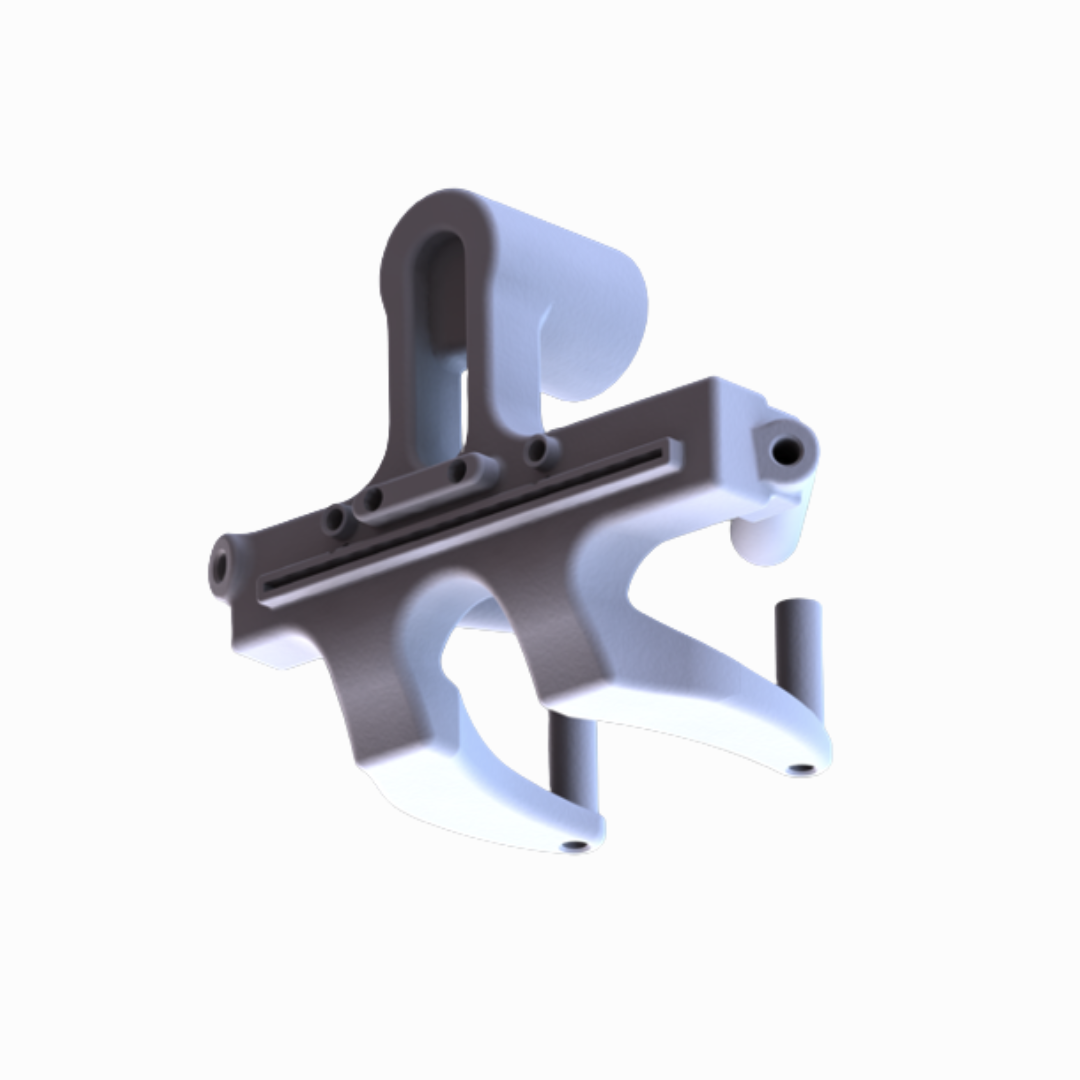
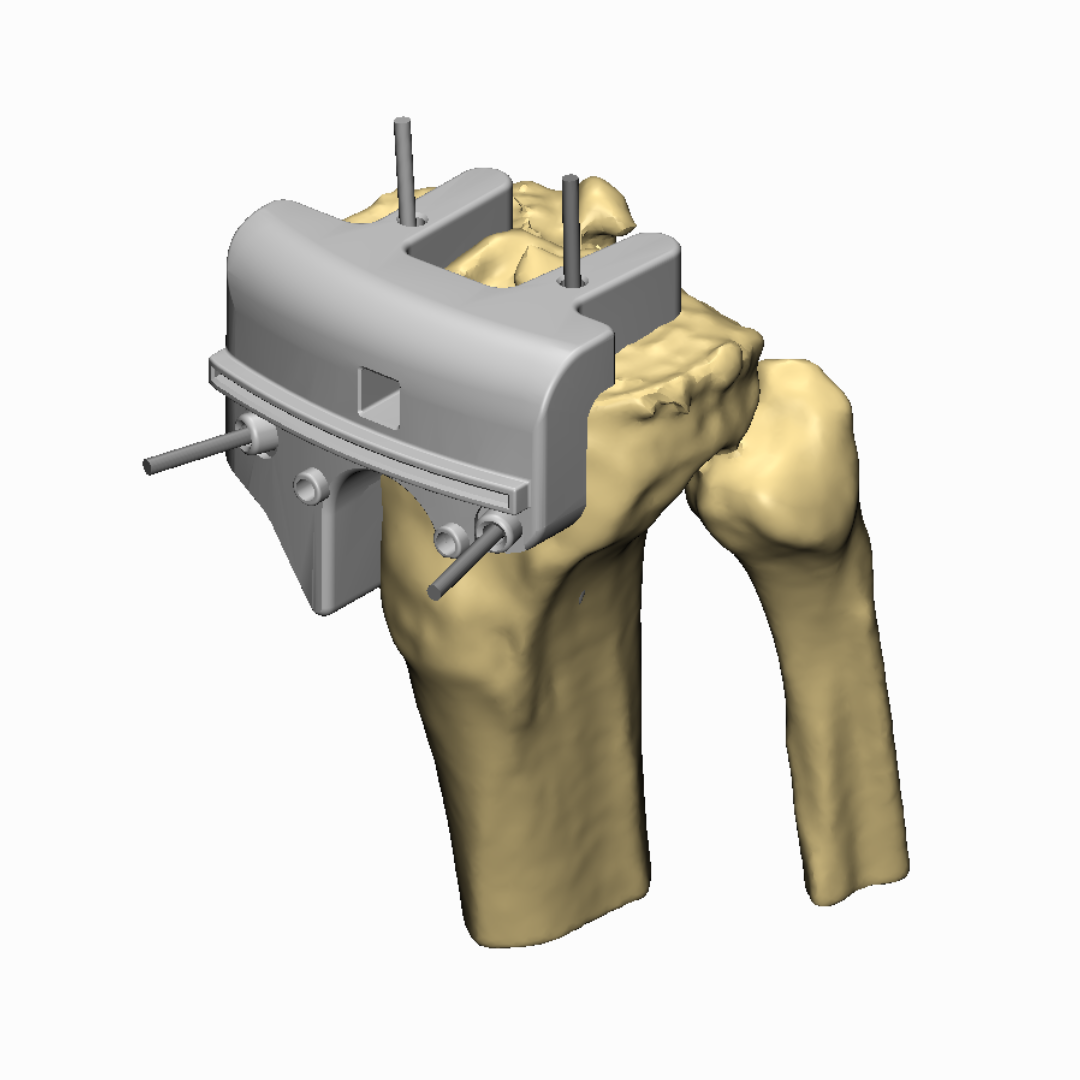
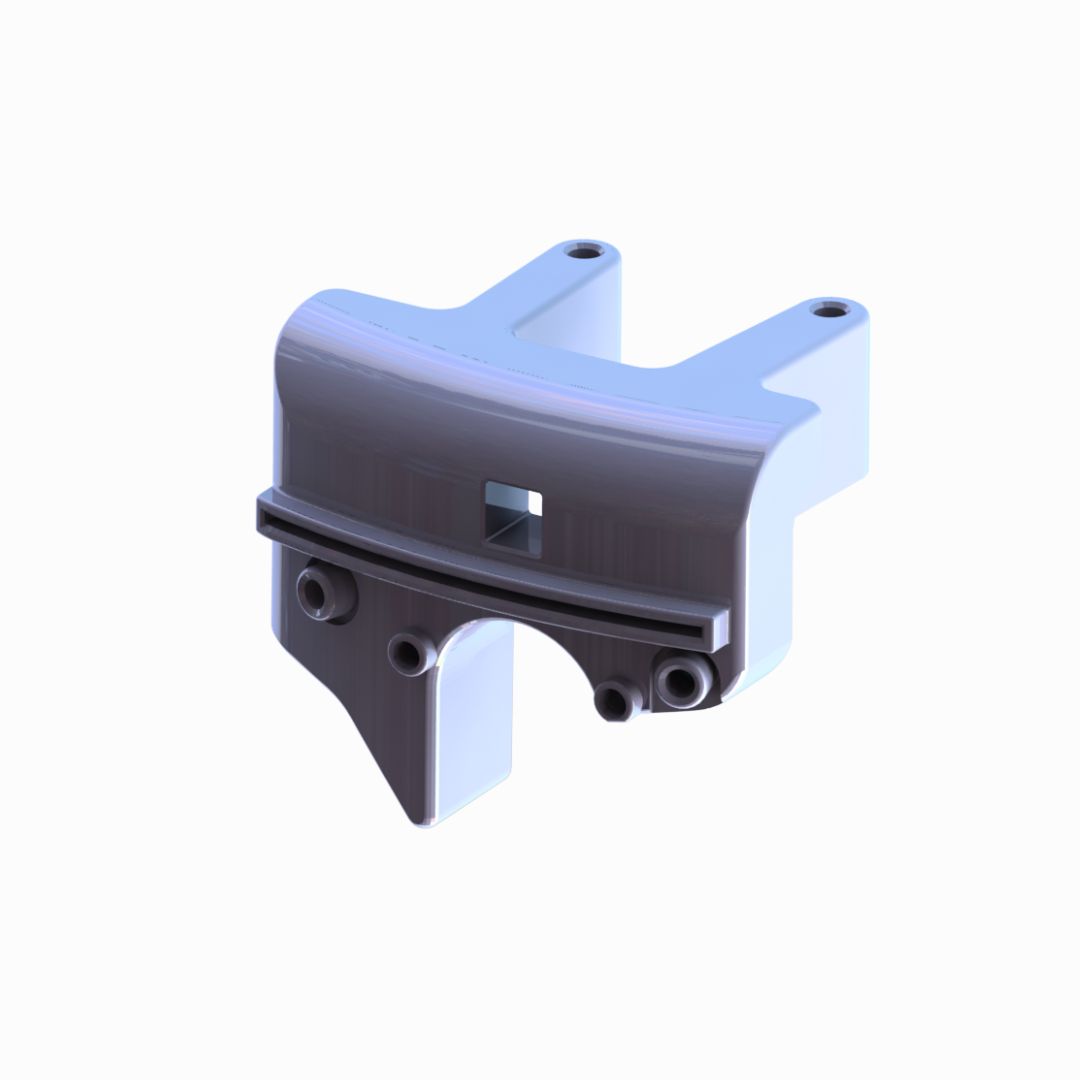
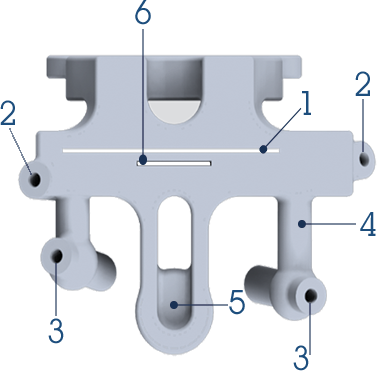
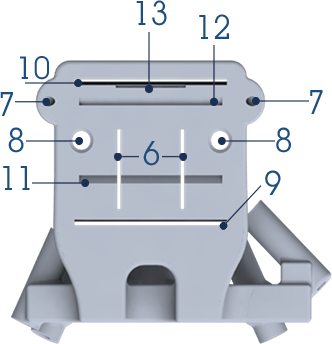
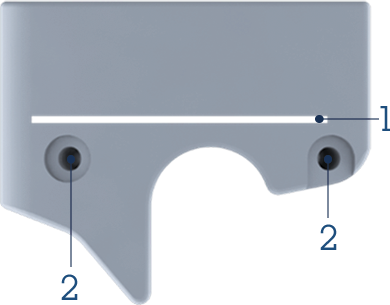
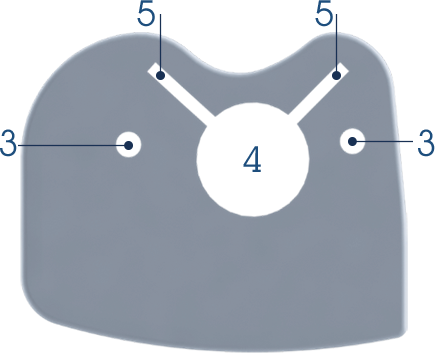
The existing product illustrations show cutting, positioning and fixation features. The applicable instructions provide the information needed to understand the sequence of use.
This patient-specific template helps perform the distal cut on the femur and the proximal cut on the tibia. This prepares the surgeon to complete the remaining cuts without using an intramedullary rod through the use of the 4in1 block from the implant manufacturer. Reducing the risk of fat embolism as well as operative time.
Connecting the guide with conventional instruments
When a patient-specific guide is used alongside a manufacturer’s cutting block, the planning discussion needs to address the relationship between them. The selected implant system and its required preparation determine the relevant details.
This relationship is particularly important when considering a change to implant choice. A design prepared for one agreed sequence should not be assumed to support another without review. The team needs a shared understanding of the intended configuration before the instrument is used.
1. Distal cut slot
2. Fixation holes placed on epicondyles
3. Fixation holes placed on condyles
4. Extended legs securing matching
5. Femur trochlear positioning leg
6. Box cut slot
*In addition to 2 pin locators.
7. Extra fixation holes securing rigidity
8. Lug holes
9. Anterior cut slot
10. Posterior cut slot
11. Anterior chamfer cut slot
12. Posterior chamfer cut slot
13. Notch cut slot
SurgiNovi Custom-Made Patient-Specific Cutting Guide For Knee Replacement Cut Femur
The SurgiNovi patient-specific template, derived from CT-scan imaging data, serves as a cutting guide. These cutting guides (templates) enable surgeons to perform the distal cut and the proximal cut on both the femur and tibia, respectively, through pre-defined slots, ensuring precise bone cuts according to the planning and the restored mechanical axis of the joint.