
3D Printed Anatomical Models
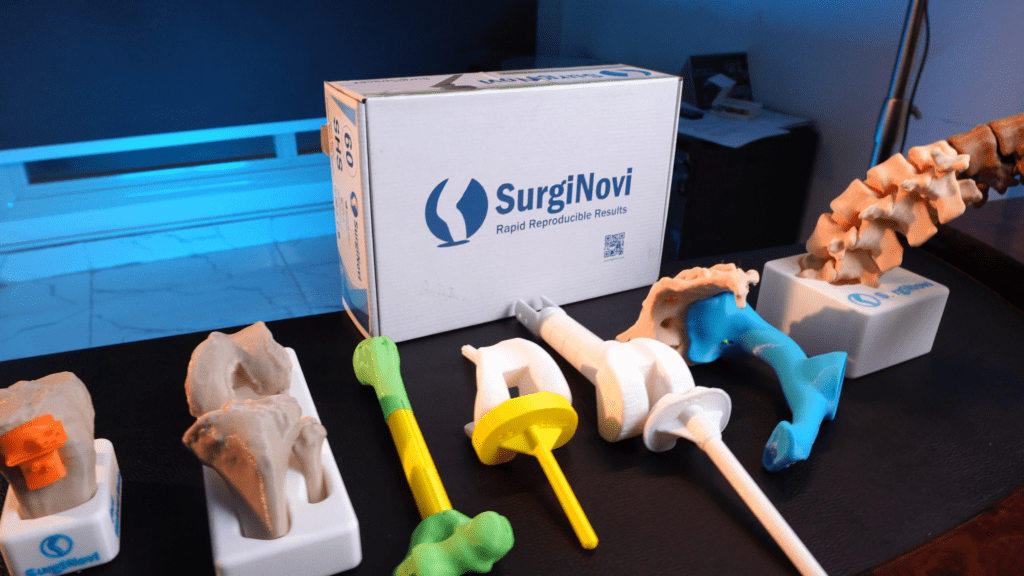
3D printed anatomical models for planning and education
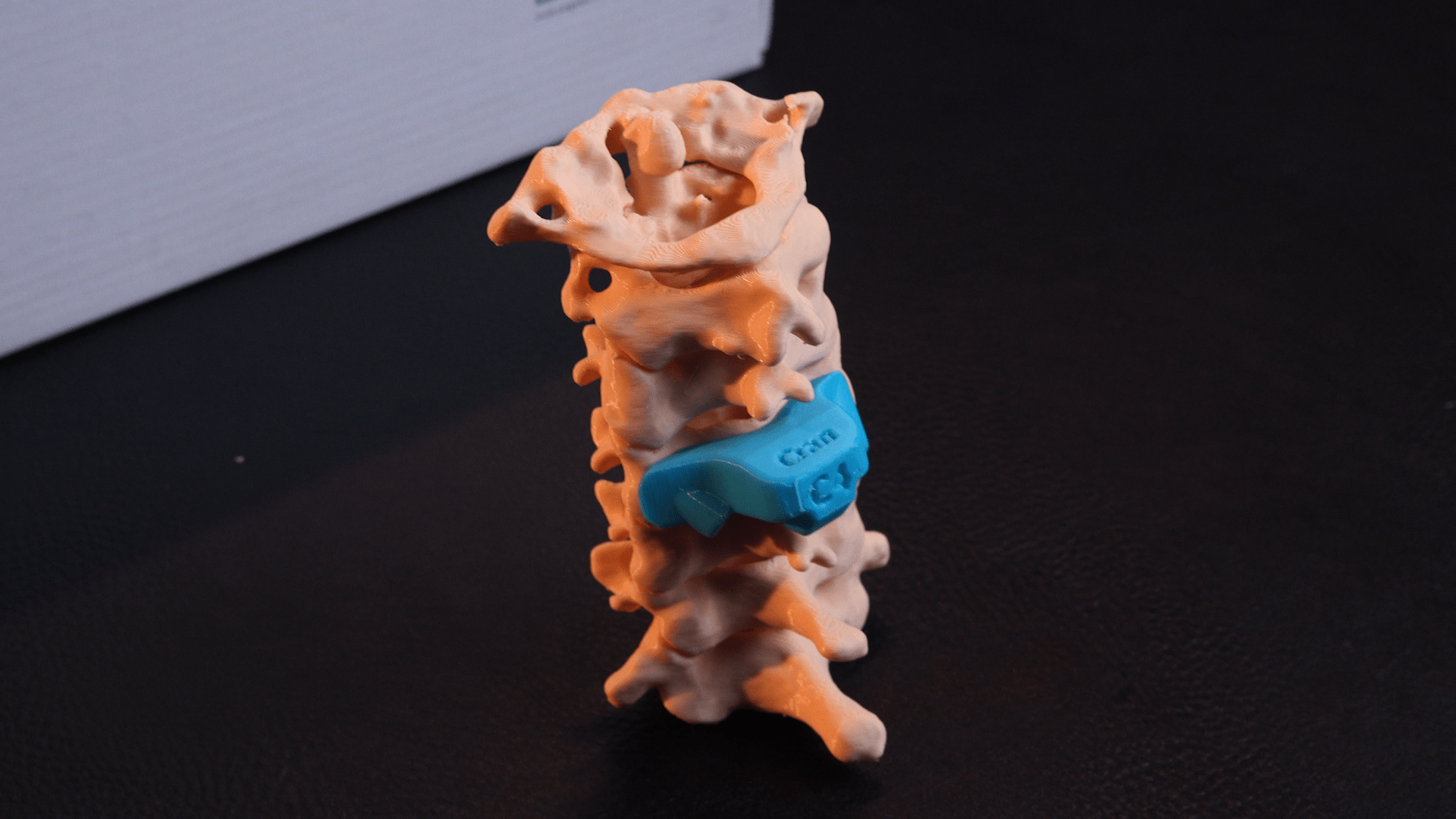
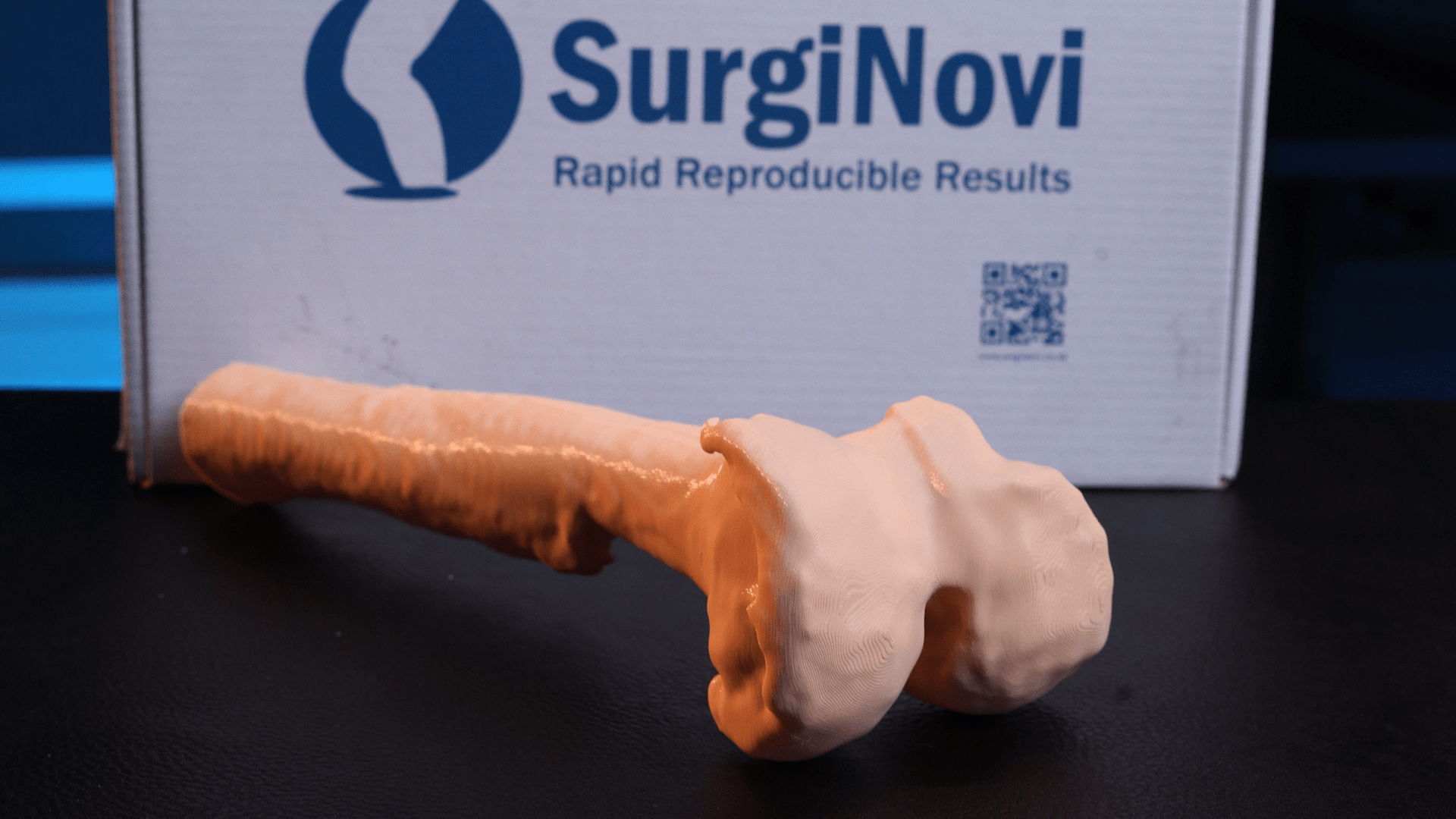
SurgiNovi produces physical anatomical models from patient imaging. A printed model allows selected bone anatomy to be examined away from the operating theatre, alongside the scans and digital representation.
By enabling direct interaction with patient anatomy, 3D printed models provide an additional layer of preoperative insight, particularly useful in complex or non-standard joint replacement cases.
A physical reference for anatomical discussion
A model can be handled and viewed from several directions. That gives the team another way to discuss shape and spatial relationships, particularly when the anatomy is difficult to convey using a single image on a screen.
The model shows anatomy selected and processed from imaging; it is not the original anatomy itself. Understanding the source and scope of that representation helps the team use it appropriately.
Every model follows a five step workflow to ensure the final anatomical representation accurately reflects the patient’s anatomy
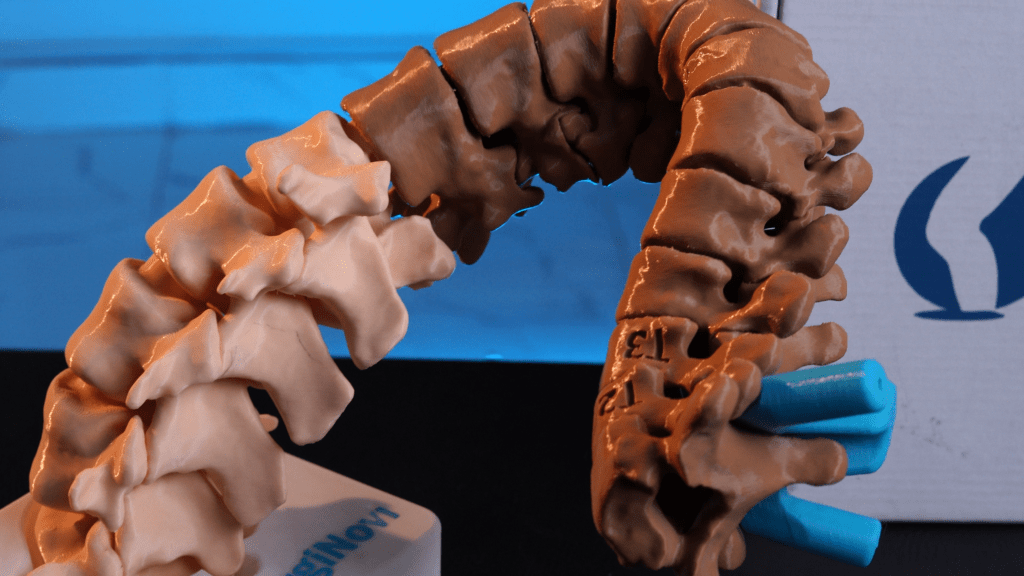
From scan data to a printed model
Processing the imaging
Relevant anatomical structures are identified in the CT data through segmentation. The digital representation should retain the detail needed for the agreed purpose.
Preparing the manufacturing file
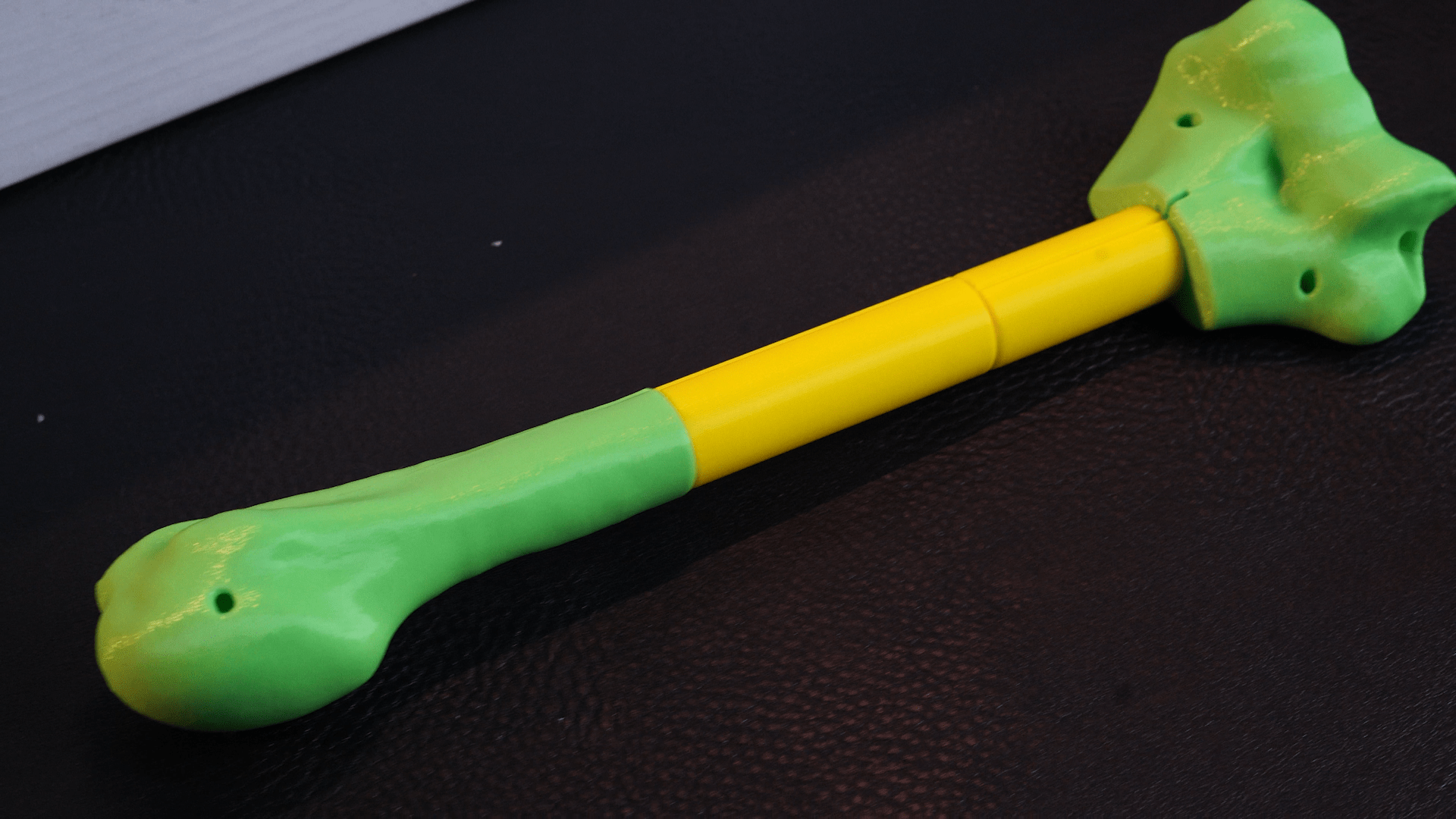
The digital model is prepared for printing. Larger structures may be divided into sections, allowing them to be produced and assembled as a complete representation.
Refining the representation
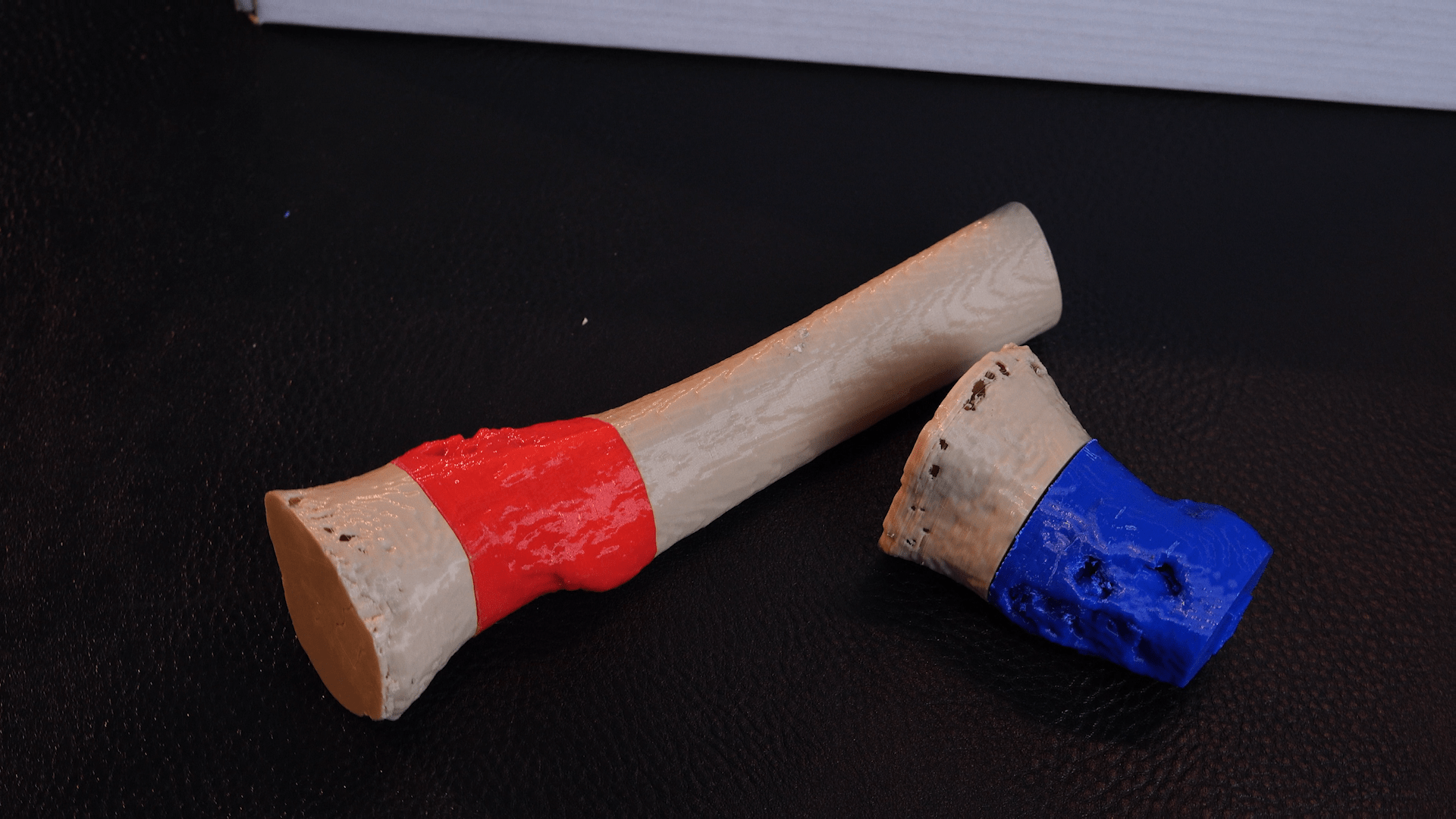
The model is prepared for use by addressing non-required structures and imaging artefacts. Refinement should be considered in relation to the source data and the anatomical features that matter to the review.
Printing and assembly
The prepared components are printed and, where necessary, brought together. The intended relationship between the sections needs to be maintained in the assembled model.
Finishing the model
Finishing addresses the physical presentation before the model is prepared for its intended planning, training or educational use. The finished model should be interpreted alongside the original imaging.
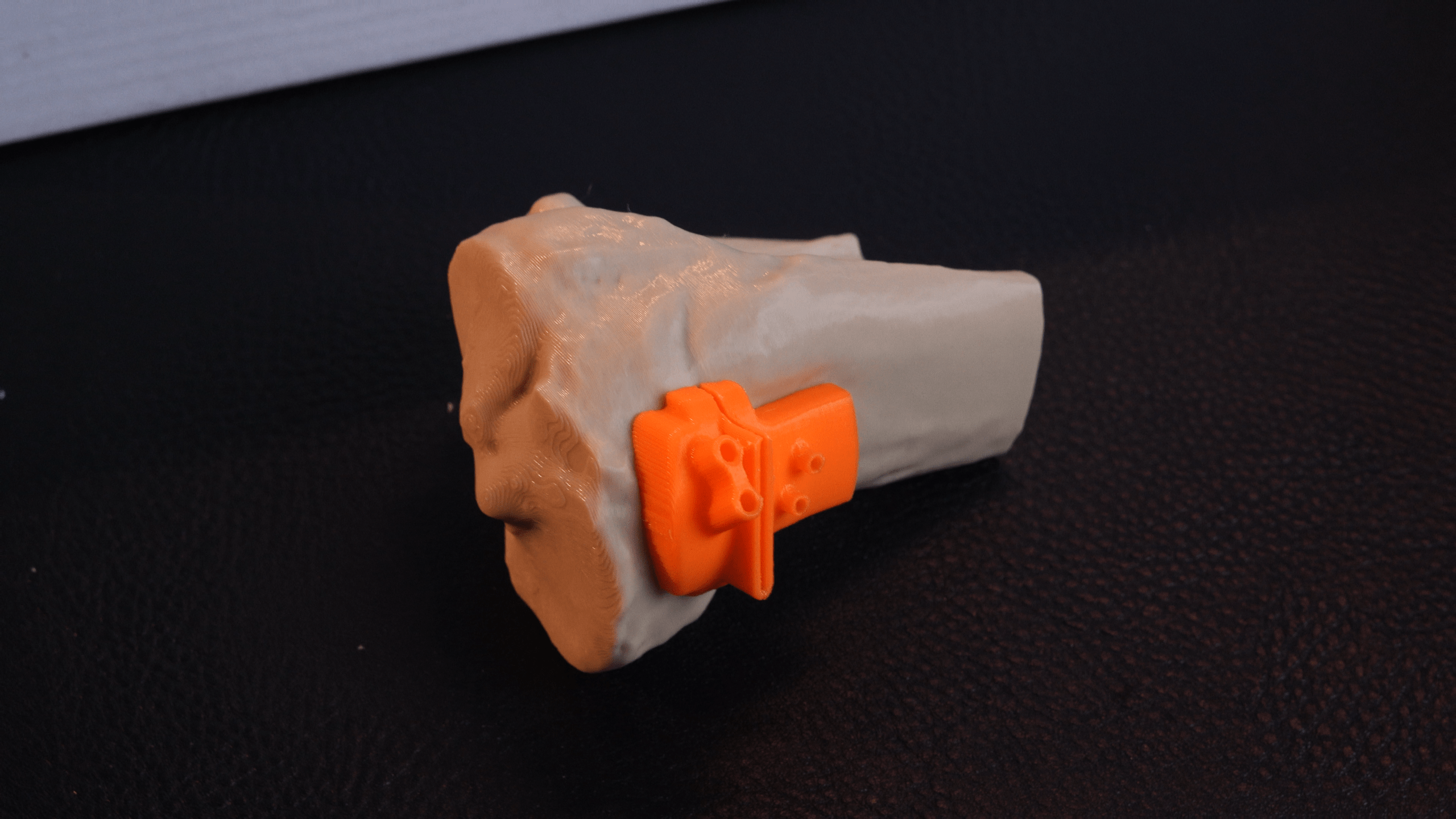
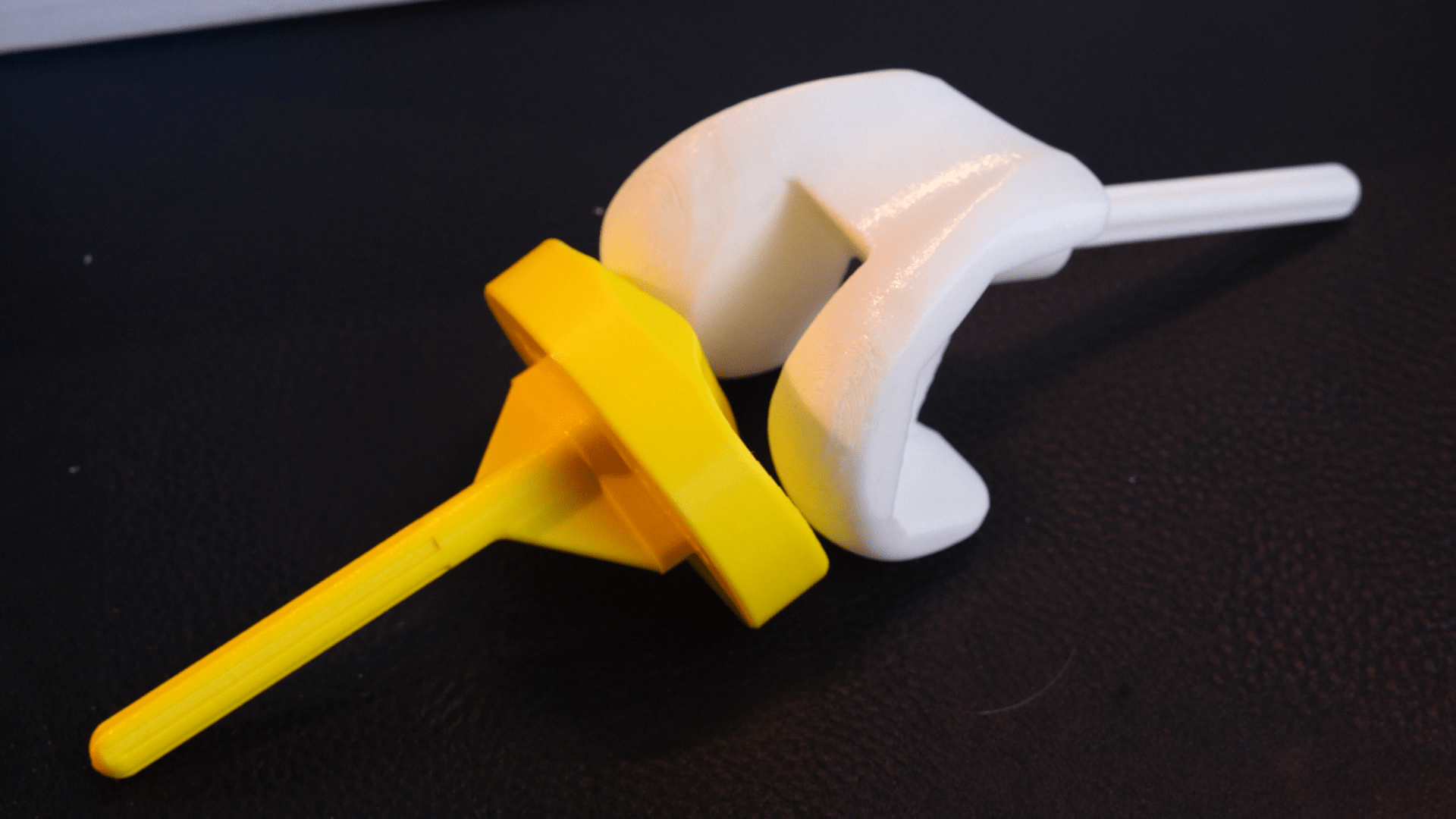
Choosing the relevant anatomical extent
These models are routinely used in the planning of:
- Primary total knee arthroplasty
- Primary total hip arthroplasty
- Shoulder replacement procedures
- Revision joint surgery
- Cases involving deformity, malalignment, or bone loss
Each model reflects patient-specific anatomy rather than averaged or idealised geometry. In addition to surgical planning, 3D anatomical models can be used for:
- Surgical training
- Medical education
- Anatomical demonstration and understanding
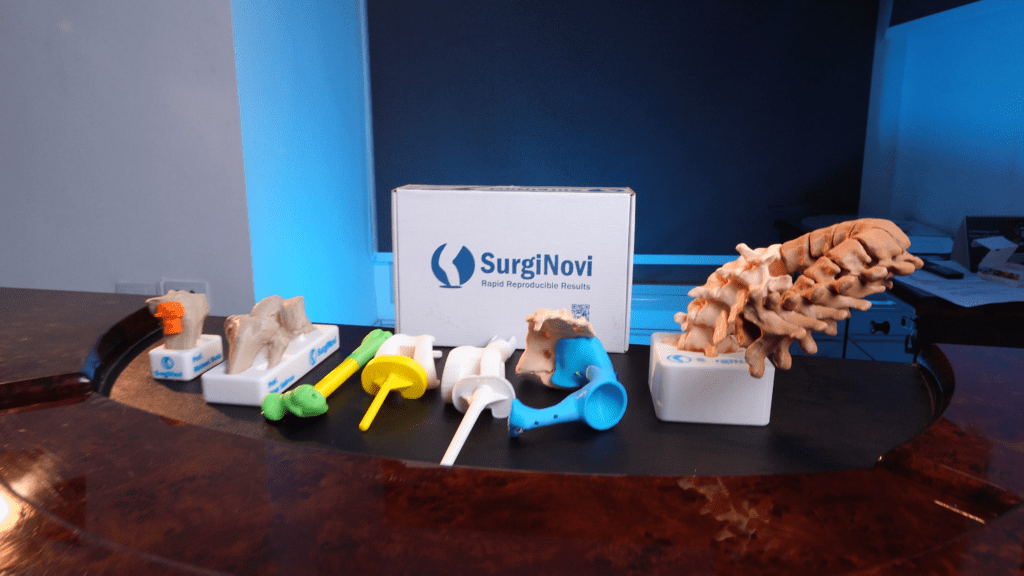
Designed for Complex Anatomy
Where required, larger anatomical structures can be produced in multiple sections and assembled into a complete model while maintaining anatomical accuracy. The process can be used for large-format anatomical representations as well as detailed joint-specific models.
Models and surgical guides have different roles
An anatomical model provides a representation for examination. A surgical guide is designed to direct a planned action. A printed model should not be assumed to be an instrument suitable for use in surgery.
The 3D planning software page introduces the digital tools associated with anatomical preparation and review.