


Patient-specific technology for orthopaedic surgery
Discover how our patient-specific solutions enhance surgical precision and improve patient recovery worldwide.
SurgiNovi develops surgical planning software and patient-specific products for bone and joint surgery. Our portfolio includes surgical guides, custom-made implants and spacers, and 3D-printed anatomical models.
From examining anatomy before an operation to providing an instrument designed around each individual patient, every product has a different role.
For Surgeons
For surgeons, the starting point is the clinical problem. A joint may have an unusual shape, previous surgery may have altered the bone, or an existing implant may complicate the proposed approach. Patient-specific technology brings those details into the planning process, where they can be accounted for before the procedure begins.
Planning around the patient
Medical imaging provides the anatomical information used in patient-specific design. A digital reconstruction allows the relevant bone surfaces and relationships to be considered in three dimensions. The surgeon can then assess how a proposed plan relates to the anatomy and the intended implant.The purpose is practical: to make the planned position, cut or drilling direction explicit.
Planning around the patient
Medical imaging provides the anatomical information used in patient-specific design. A digital reconstruction allows the relevant bone surfaces and relationships to be considered in three dimensions. The surgeon can then assess how a proposed plan relates to the anatomy and the intended implant.The purpose is practical: to make the planned position, cut or drilling direction explicit.
Planning around the patient
Medical imaging provides the anatomical information used in patient-specific design. A digital reconstruction allows the relevant bone surfaces and relationships to be considered in three dimensions. The surgeon can then assess how a proposed plan relates to the anatomy and the intended implant.
The purpose is practical: to make the planned position, cut or drilling direction explicit.
Explore our Personalised Orthopaedic Solutions

Patient-Specific Templates

Custom-made Implants
Custom-made Spacers
3D Anatomical Models

Pre-operative Planning Software

Custom-made spacers
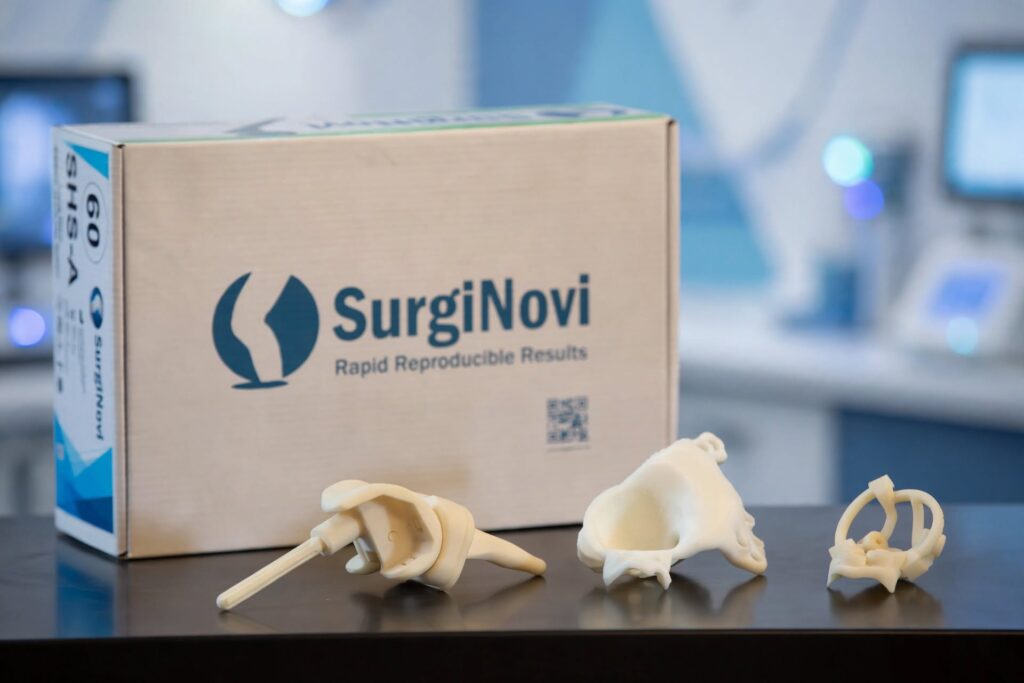
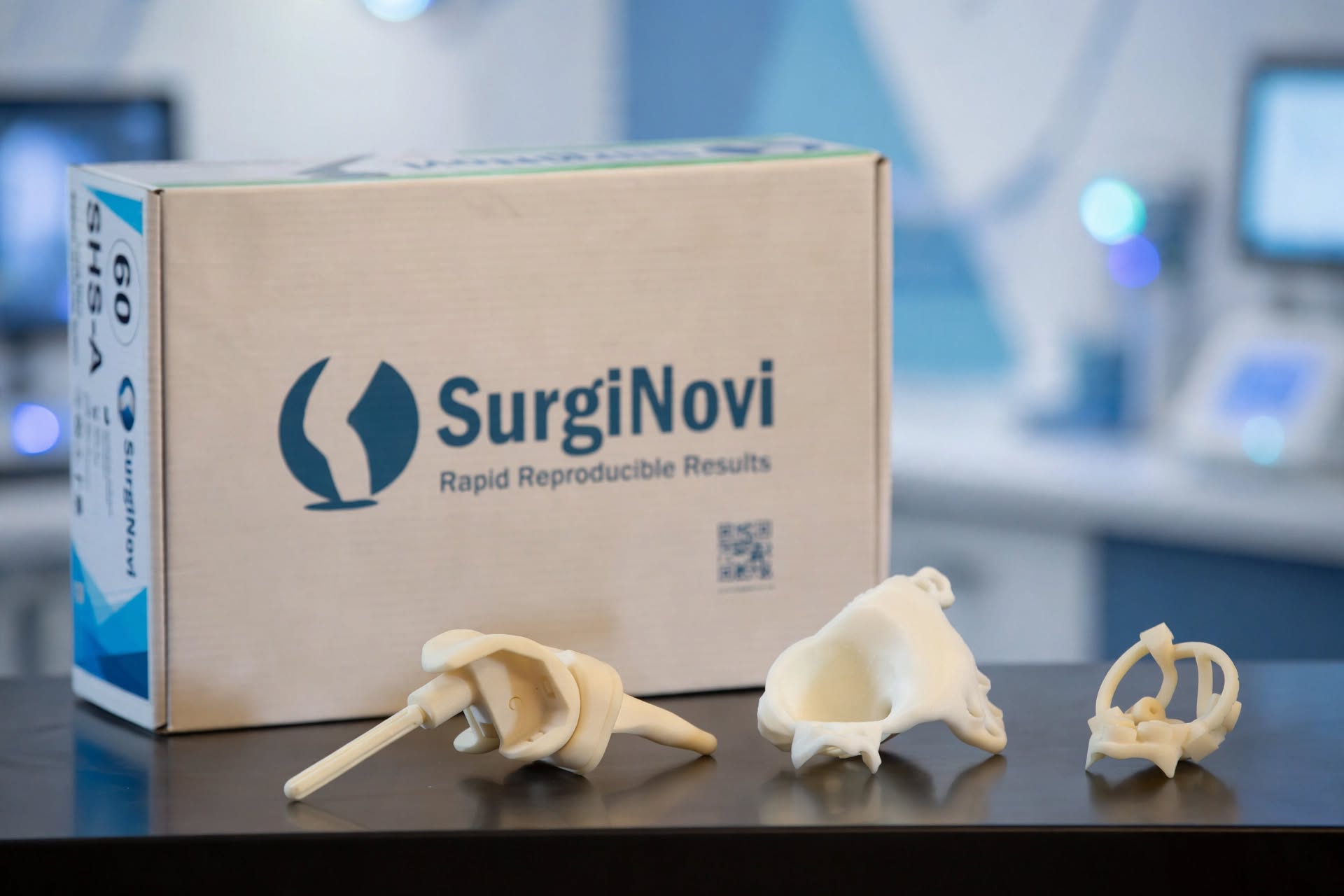
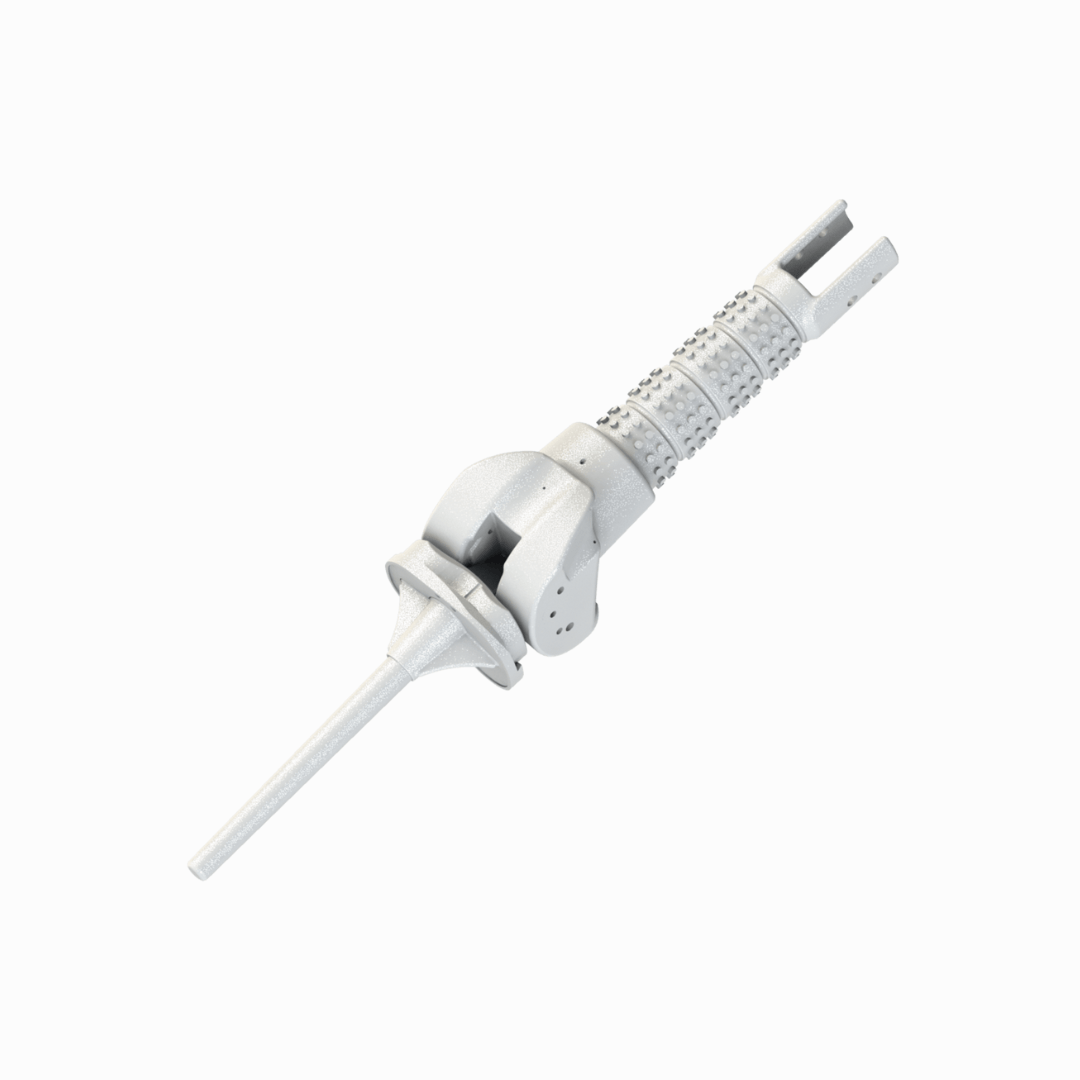
Patient-specific spacers are designed around the dimensions of the joint space for use within complex staged surgeries.

Patient-specific templates and surgical guides
Our patient-specific templates, or PSTs, are designed for defined steps in orthopaedic procedures. The range covers knee, shoulder and hip replacement, tibial osteotomy, spinal screw guidance and bone tumour resection. Application pages explain the function of each guide and the anatomy involved.

Custom-made implants
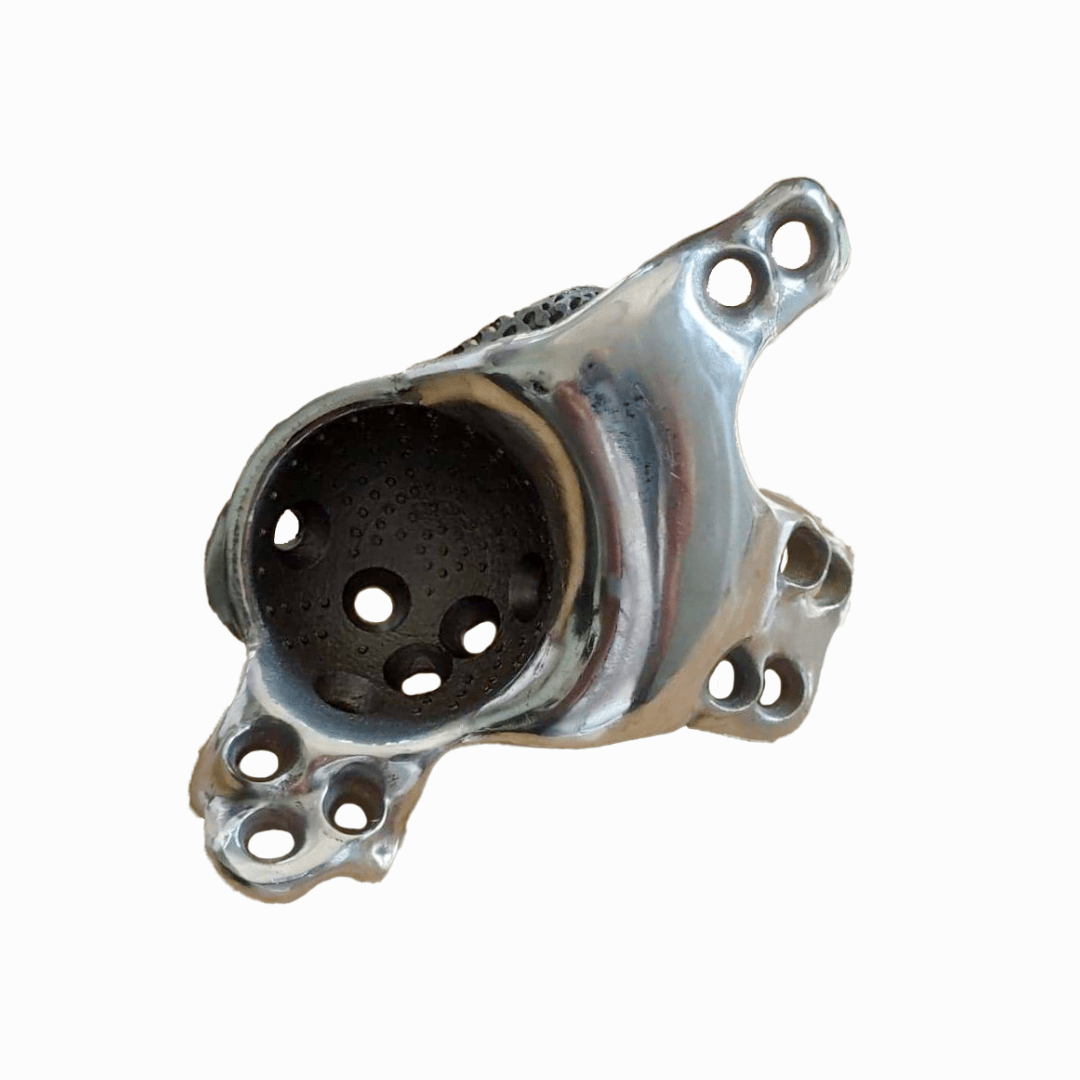
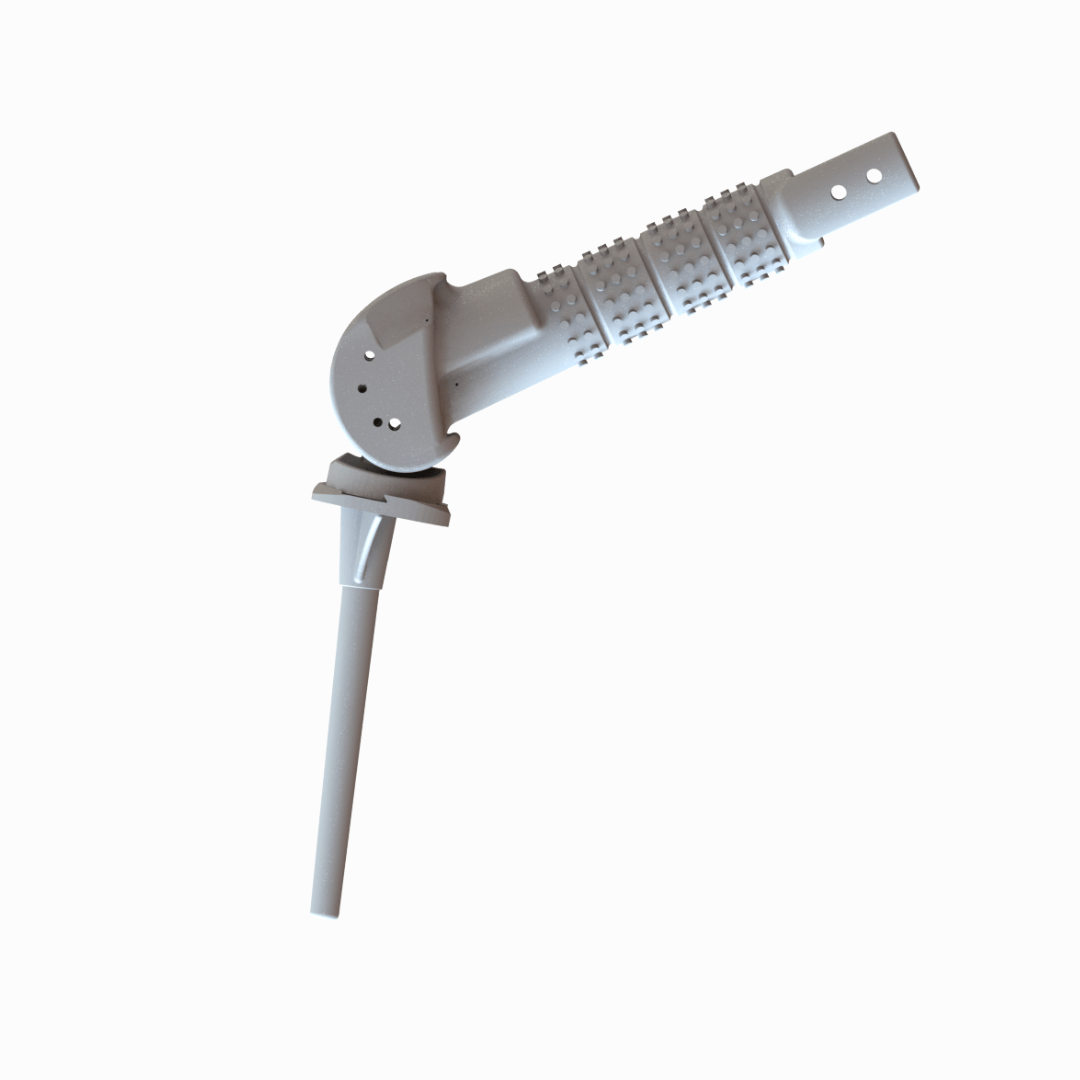
A custom-made implant is considered where the reconstruction requires a design matched to the patient’s anatomy. Our product range includes examples for the hip, knee and humerus. The proposed reconstruction, fixation strategy and available bone must be considered together.
Custom-made spacers
Patient-specific spacers are designed around the dimensions of the joint space for use within a staged surgical plan. Their role differs from that of a definitive implant. The treating team determines the intended use and the wider treatment requirements.
3D printed anatomical models
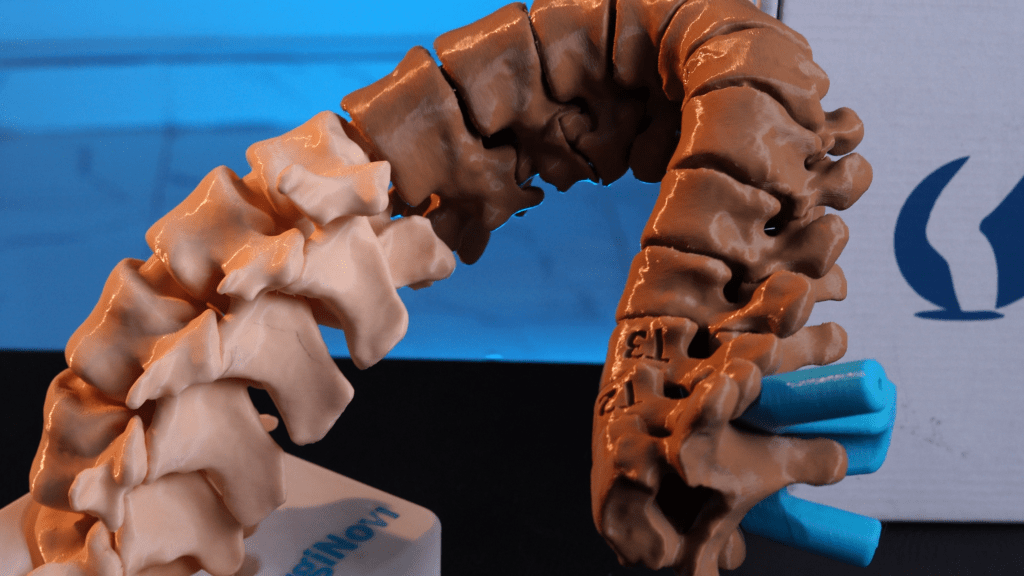
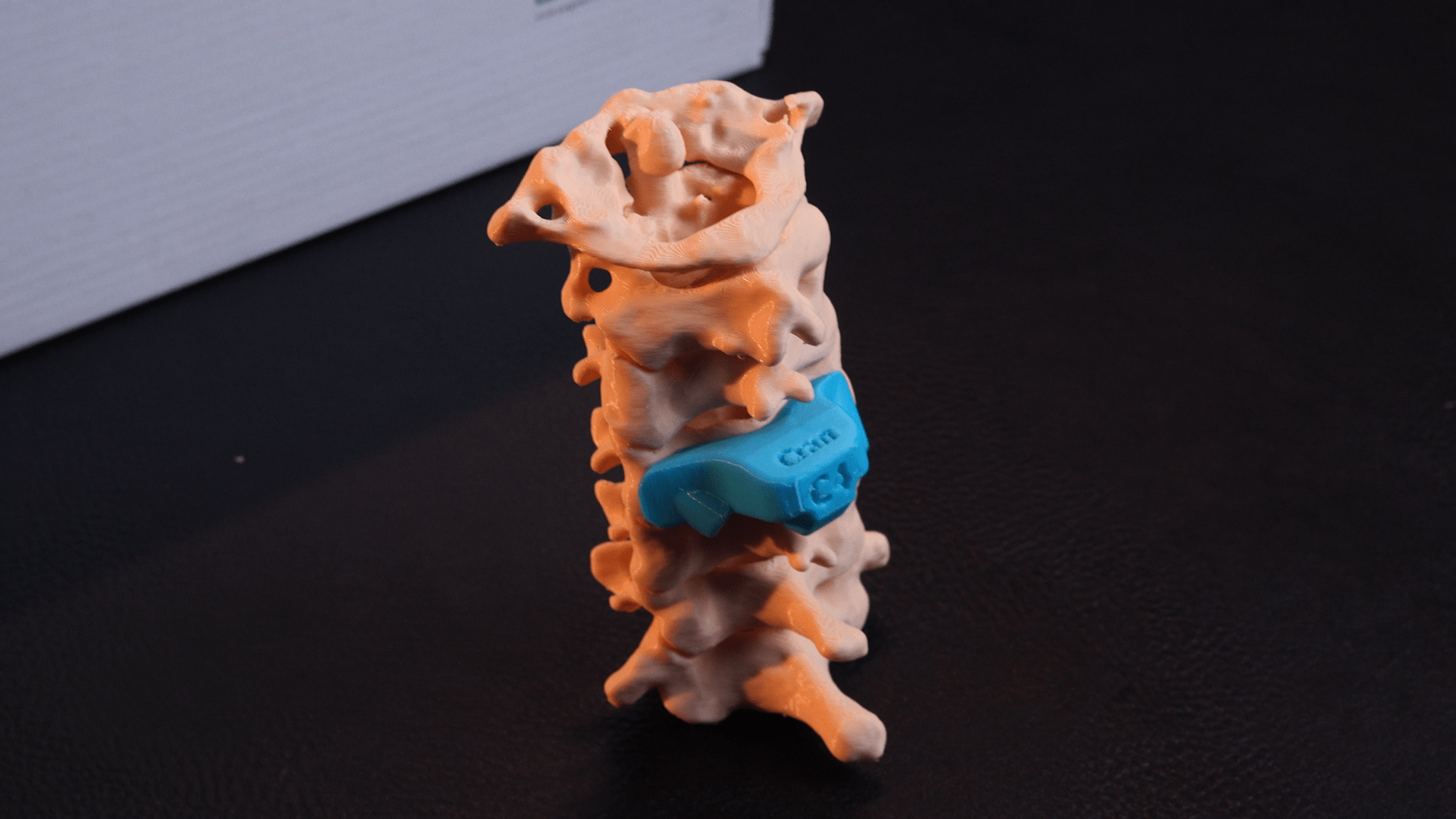
A physical model gives the team another way to examine the anatomy represented in the imaging. It can be handled and viewed from different directions during planning or teaching, alongside the original scans and digital reconstruction.
3D Planning & Simulation for orthopaedic procedures.
Preoperative planning begins with a question, rather than a software feature. What needs to be measured? Which anatomical relationship needs closer examination? Is the required output a digital plan, a model or a patient-specific instrument? Defining that purpose helps the team choose an appropriate workflow.

